Dark Wood is Having a Moment (Again): How to Style Brown Furniture Without It Looking Like 1974
I bought a Victorian mahogany sideboard last month. Not because I needed it. Not because it was cheap, though at £45 from a house clearance it certainly was.
I bought it because it was beautiful—deep, red-brown timber, solid as a church, with brass handles that had worn to a soft glow from a century of use. And because five years ago, nobody would have wanted it. It would have sat in that clearance warehouse for months, marked down and down until someone bought it for the firewood.
In 2026, brown furniture is back. Not as a guilty secret. Not as "granny chic" irony. But as a genuine, mainstream, Instagram-worthy choice.
The same interiors magazines that were preaching pale oak and bleached everything in 2021 are now photographing rooms with walnut bookcases, mahogany dining tables, and oak dressers so dark they absorb light. The cycle has turned. Again.
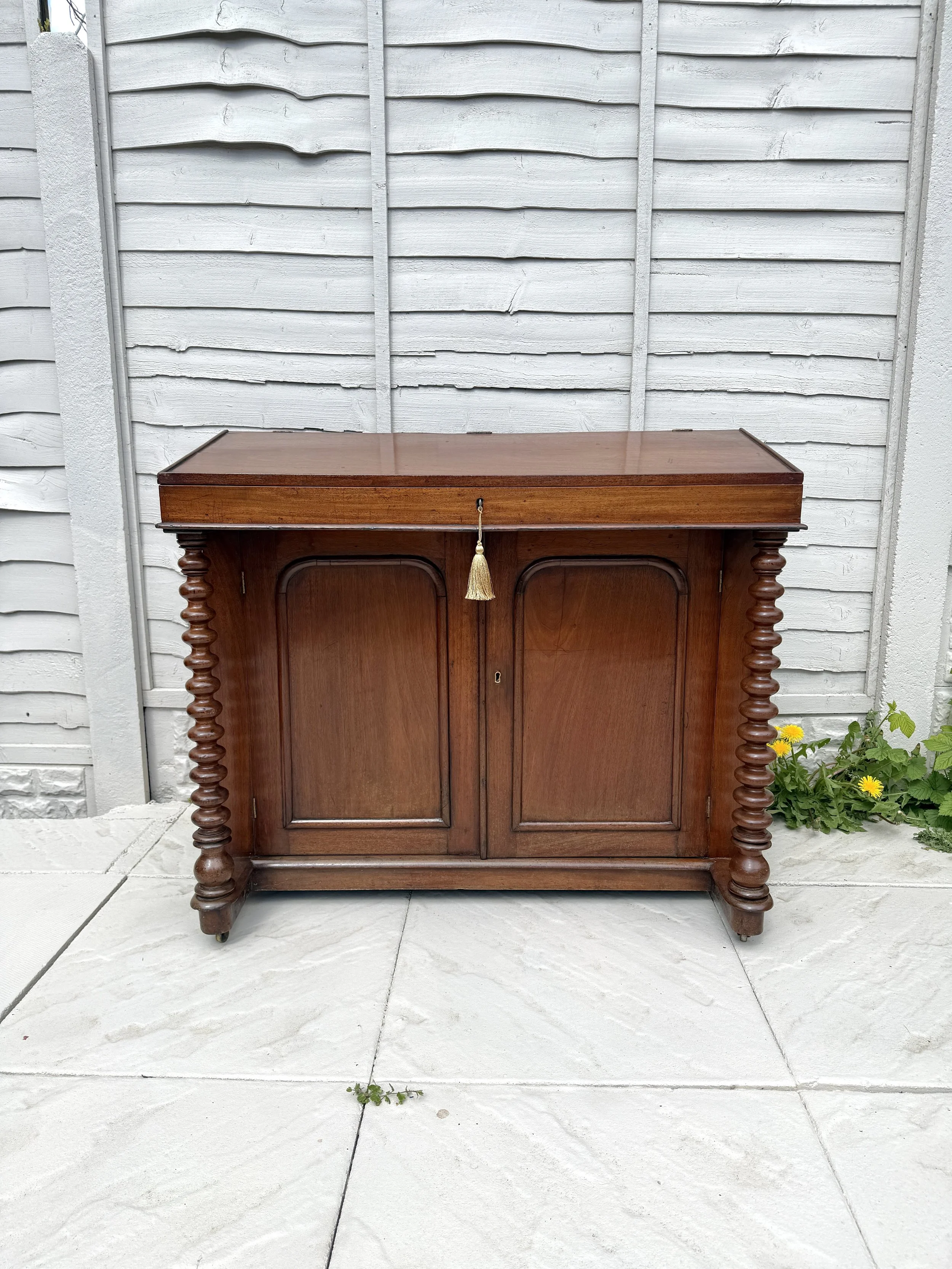
My new addition to the shop - a Victorian Chiffonier sideboard.
Why Brown Stopped Being Boring
The anti-brown furniture movement had valid roots. For decades, dark wood dominated British interiors to the exclusion of everything else. Victorian mahogany, Edwardian oak, 1920s walnut—generation after generation of heavy, formal furniture that made rooms feel smaller and darker than they were.
By the 1990s, people were desperate for light. For air. For the Scandinavian promise of pale floors and floating shelves.
So we bleached. We painted. We "upcycled" perfectly good Victorian pieces with chalk paint and wax, transforming them into distressed approximations of French country furniture.
I did it myself in 2014, painting a mahogany wardrobe duck-egg blue because I'd read it was "shabby chic." It wasn't. It was just blue. The mahogany grain ghosted through within months, and I eventually sold it to someone who spent weekends stripping it back to the original timber.
That stripping back—both literal and cultural—has taken time. We've had to forget why we rejected dark wood in order to see it fresh. Now, in 2026, with maximalism and "grandmacore" and layered, collected interiors dominating design discourse, dark wood fits perfectly. It provides ballast.
In rooms full of pattern, texture, and vintage finds, you need something grounded. Something that says "I am permanent."
The Specific Woods and What They Offer
Not all brown furniture is the same. The timber matters, both aesthetically and practically.
Mahogany:
The Victorian favourite. Deep red-brown, often with a stripe or ribbon figure in the grain. Heavy, formal, but surprisingly warm in the right setting. Works brilliantly with brass, with green walls, with the kind of rich, saturated colours we've abandoned for years.
If you find a Victorian mahogany piece in good condition—no loose veneers, original handles intact—it's usually worth having.
Walnut:
Lighter than mahogany, with a more varied, swirling grain. Edwardian and 1920s-30s furniture often uses walnut, and it has a softer, less imposing presence.
The Art Deco pieces—sideboards, dressing tables, dining suites—are particularly desirable now. Walnut works with almost anything: modern minimalism, vintage maximalism, even Scandi palettes if the lines are clean enough.
Oak:
The most democratic of dark woods. Every era used it, from massive Jacobean chests to 1930s dining sets to 1970s rustic revival pieces. Good oak has a golden-brown warmth that improves with age. Bad oak—roughly finished, badly designed—is just depressing.
Look for pieces with proper joinery, interesting grain patterns, and proportions that feel considered rather than merely chunky.
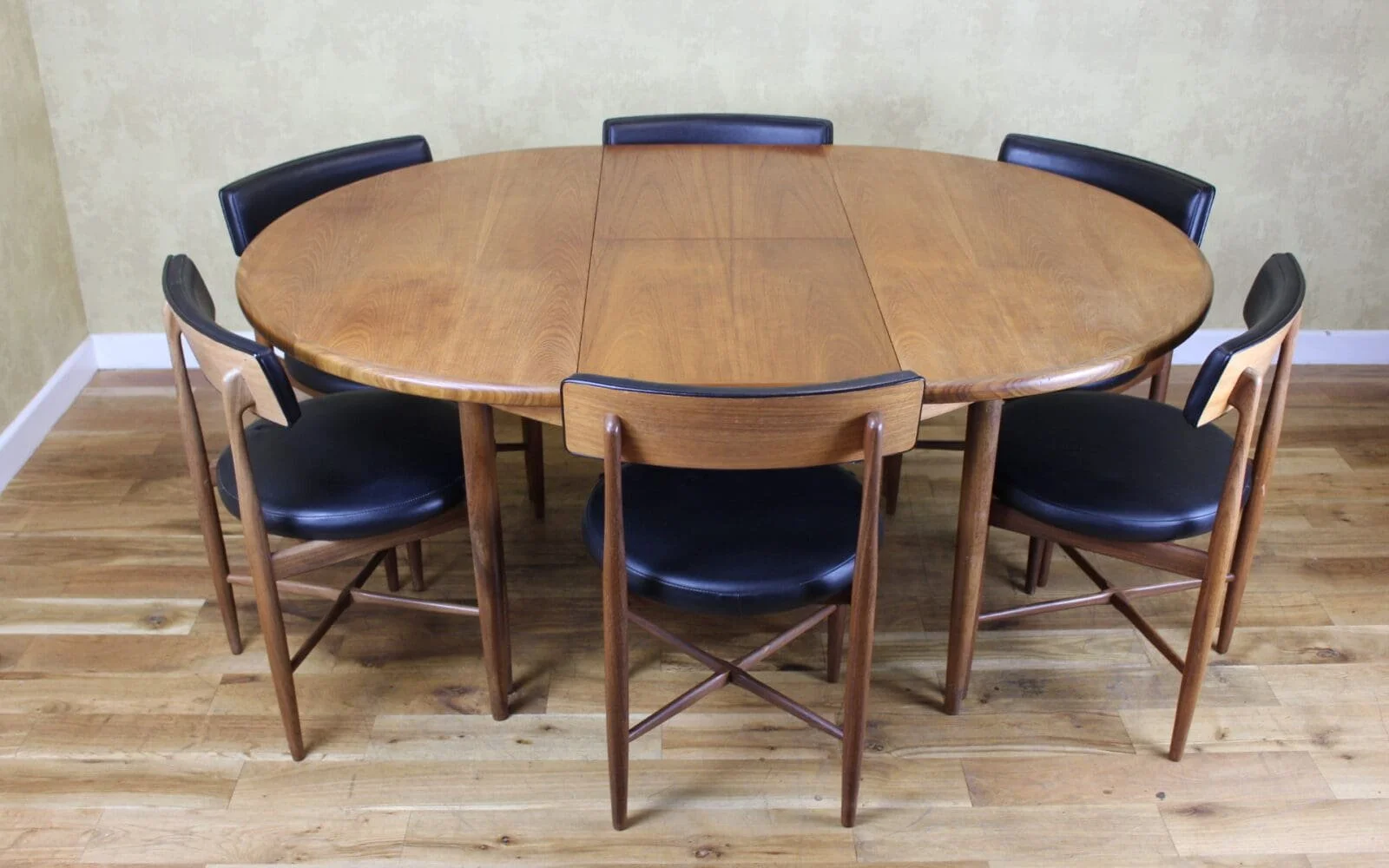
Teak:
Technically not "dark" when new, but aged teak develops a deep, honeyed brown that's richer than any stain. Mid-century Danish and British teak is now so established that it barely needs defending, but it's worth remembering how well it works with darker woods.
A 1960s teak sideboard against a Victorian mahogany bookcase shouldn't work, but somehow it does. The common denominator is quality and age.
Rosewood and Afromosia:
The exotic hardwoods of the mid-century, now ethically complicated and increasingly rare. If you find vintage pieces—pre-1990s, when CITES regulations tightened—they're usually exceptional. Dense, dark, with grain that shifts in the light. Treat them as statement pieces, not background furniture.
The 2026 Approach: How to Style It Now
The key difference this time around is contrast. We're not creating "period rooms" where everything matches. We're dropping dark wood into contemporary settings and letting the tension do the work.
Against pale walls: The classic solution, but updated. Not magnolia—that particular beige deserves its retirement—but proper, clean whites, soft greys, or the dusty pinks and greens that are dominating 2026 paint charts. Farrow & Ball's "Setting Plaster" or Little Greene's "Slaked Lime" provide enough warmth to prevent the wood looking funereal, enough lightness to let it breathe.
With saturated colour: This is the braver choice, and increasingly the right one. Emerald green walls with mahogany. Navy with walnut. Deep terracotta with oak. The dark wood becomes an anchor in a storm of colour, preventing the room from feeling merely decorative. It adds substance.
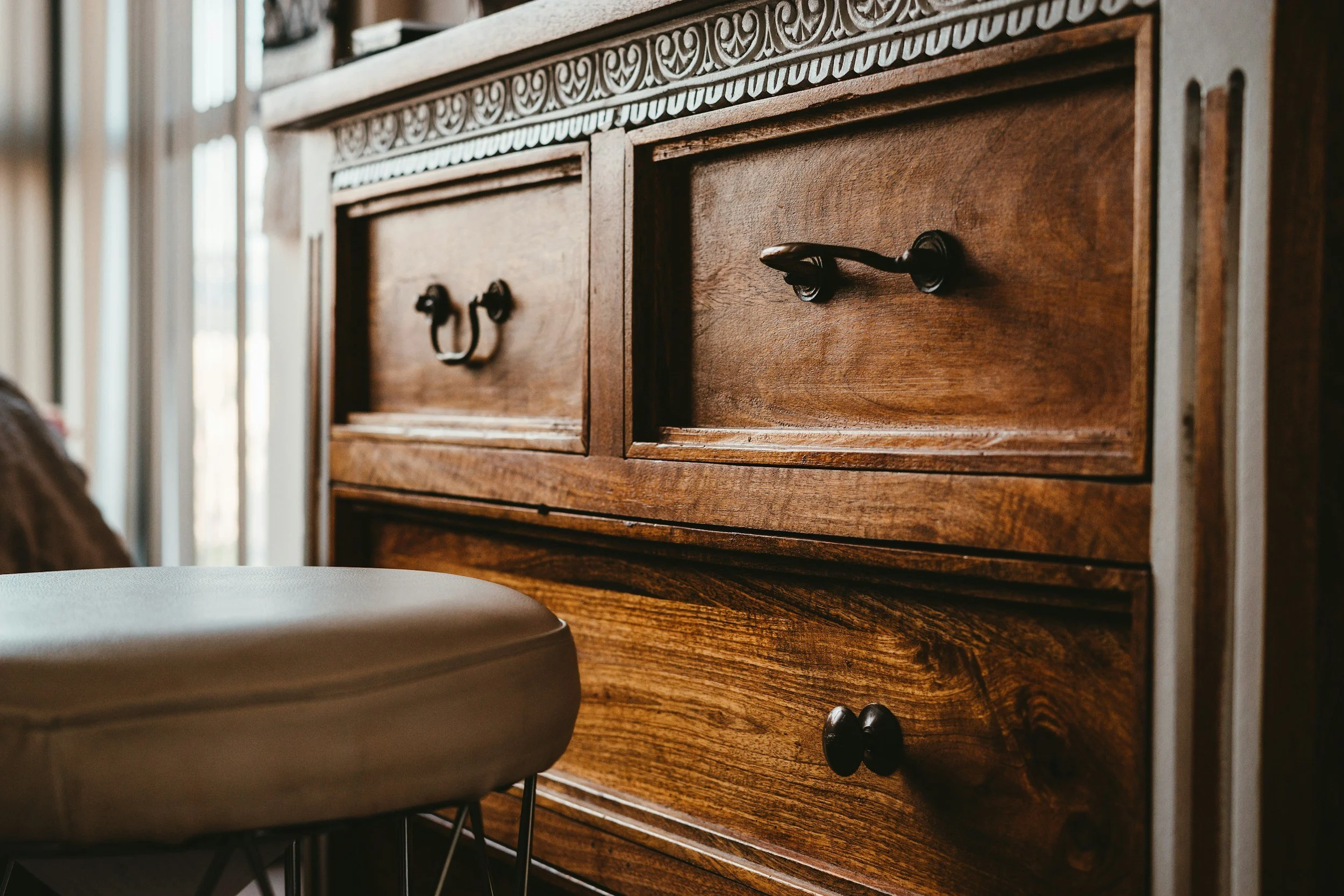
Among other woods: The old rule was "match your woods." The new rule is "don't worry about it." A Victorian oak table with 1960s teak chairs and a 1970s pine bench. A mahogany bookcase flanking a fireplace with an oak mantelpiece. The eye accepts this variety if the pieces have presence. What matters is quality, not uniformity.
With modern pieces: Perhaps the most effective approach. A Victorian sideboard beneath a contemporary abstract painting. A 1920s walnut desk with a modern ergonomic chair. The dark wood provides history; the modern pieces provide relevance. Neither apologises for the other.
With metals: Brass, copper, and bronze have natural affinities with dark wood—the Victorians knew this, which is why they combined them so frequently. But don't overlook chrome and steel. A 1970s rosewood cabinet with chrome legs is a specific, wonderful thing. The coolness of metal prevents the wood from feeling too heavy.
The Mistakes People Still Make
Despite the revival, dark wood can still go wrong. Usually through timidity or over-enthusiasm.
The "museum piece" problem: Treating dark wood as too precious to use. The sideboard becomes a display case for ornaments rather than functioning furniture. The dining table is covered in protective cloths. This kills the life in the material. Dark wood needs use, wear, the patina of daily life. Use your furniture. Put your coffee mug down. The ring will polish out, and the piece will look better for having lived.
The "too much brown" problem: Dark wood floors, dark wood furniture, dark wood panelling. This still happens, usually in inherited houses where nobody's made a decision for fifty years. The solution isn't necessarily to paint everything white. It's to introduce contrast through textiles, art, lighting, and the occasional piece that's not wood at all—glass, metal, stone.
The "wrong scale" problem: Victorian furniture was designed for Victorian rooms—high ceilings, large proportions, servants to move things. A massive mahogany wardrobe in a modern two-bedroom flat dominates to the point of absurdity. Choose pieces that fit your space. A Victorian chest of drawers rather than a wardrobe. An Edwardian writing table rather than a dining suite.
The "over-restoration" problem: Stripping, sanding, and re-polishing until the wood looks like plastic. Dark wood needs its patina. The slight unevenness of hand-finished surfaces, the softening of edges, the accumulation of wax and handling—these are qualities, not defects. Clean carefully, repair structurally, but don't try to make a 120-year-old piece look factory-fresh.
Living With It
I've had that mahogany sideboard for six weeks now. It sits in my dining room, against a wall painted in a colour called "Green Smoke" that would have horrified the Victorians and probably confuses my neighbours.
On it lives a 1970s ceramic lamp, a stack of art books, and a brass bowl where keys and coins accumulate. It holds wine bottles and table linens in its drawers. It shows every scratch and water mark because we actually use it.
Every morning, when the light comes through the east window, the timber glows. Not showily, not demanding attention, but with a quiet warmth that makes the room feel settled. Permanent. Like it has always been there and always will be.
That's what dark wood offers in 2026. Not nostalgia. Not trend-chasing. But a kind of rootedness that's increasingly rare in our disposable, digital, constantly-updating world. These pieces have survived. They remind us that we can too, and that there's value in endurance.
The cycle will turn again, of course. In five or ten years, some magazine will declare that dark wood is "over" and pale ash is the only timber for serious people. Ignore them. Good furniture outlasts fashion. Buy what you love, use it well, and let the trends circulate around you like weather.