The 'Grandmacore' Edit: Making Ornate Gilt Mirrors Work in 2026
My grandmother's house smelled of lavender water and beeswax polish. Every surface held something: porcelain figurines, silver-framed photographs, cut-glass bowls that caught the afternoon light.
And mirrors—so many mirrors. Gilt frames, rococo scrolls, foxed glass that made you look like you were viewing yourself through a pleasant fog.
As a teenager, I thought it was all hopelessly fussy. I wanted clean lines and white space and furniture from a certain Swedish warehouse.
Last month, I found myself bidding on a Victorian gilt overmantel mirror at a local auction. It was ridiculous—cherubs at the corners, acanthus leaves everywhere, glass so aged it had developed that silvery mottling you can't fake. I paid £85, which felt like either theft or a mistake.
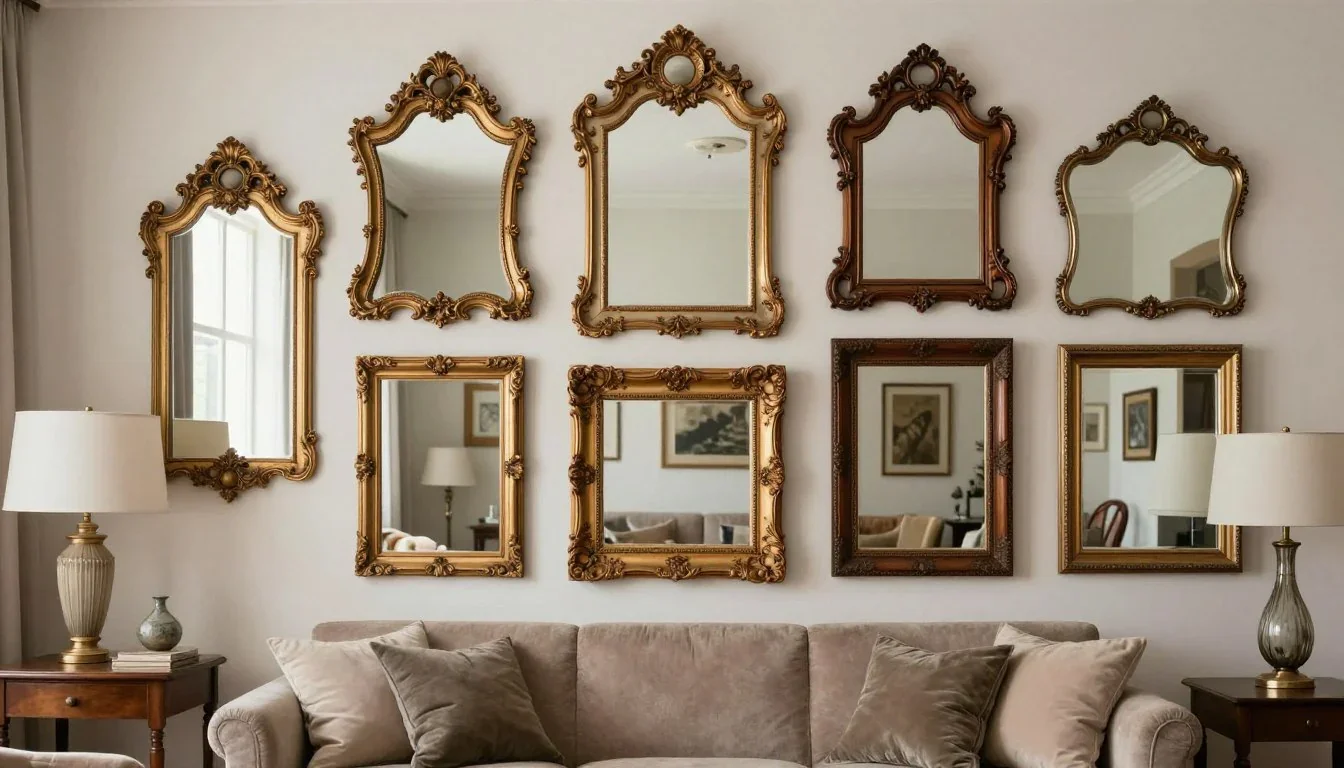
When I hung it above my otherwise minimalist fireplace, something shifted in the room. It gained weight. History. A sense of humour, even.
This is grandmacore. And if you do it right, it doesn't look like a nursing home. It looks like you know something about comfort that the minimalists have forgotten.
Why Ornate is Having a Moment
We've spent a decade stripping back. Hygge led to Scandi led to Japandi led to "quiet luxury," which mostly meant beige cashmere and nothing on the walls. It was restful, yes. But restful can edge into sterile if you're not careful. After years of pared-back interiors, people are craving visual richness again—not chaos, but layers. Things that feel collected rather than purchased.
Gilt mirrors are the gateway drug to this aesthetic. They're relatively easy to find (every auction, every antique shop, every grandmother's spare room), they work in almost any space, and they do something magical with light. A good gilt mirror doesn't just reflect; it transforms. It makes rooms feel larger, yes, but also warmer, more complex, more lived-in.
The trick is avoiding the "stuffy" trap. Here's how.
The Three Rules of Modern Grandmacore
Rule One: One Statement Piece Per Room
The fastest way to make gilt look granny is to overdo it. One ornate mirror? Characterful. Three ornate mirrors plus a gilt clock plus gold picture frames plus a brass chandelier? You've accidentally opened a boutique hotel in Bath.
Choose your moment. In my living room, it's the overmantel mirror. That's it. Everything else is simpler—plain wood, linen, ceramics without gold rims. The mirror gets to sing because nothing else is competing for attention.
If you have a small space, consider the mirror your jewellery. You wouldn't wear a statement necklace with statement earrings and a statement ring. Same principle.
Rule Two: Contrast, Don't Match
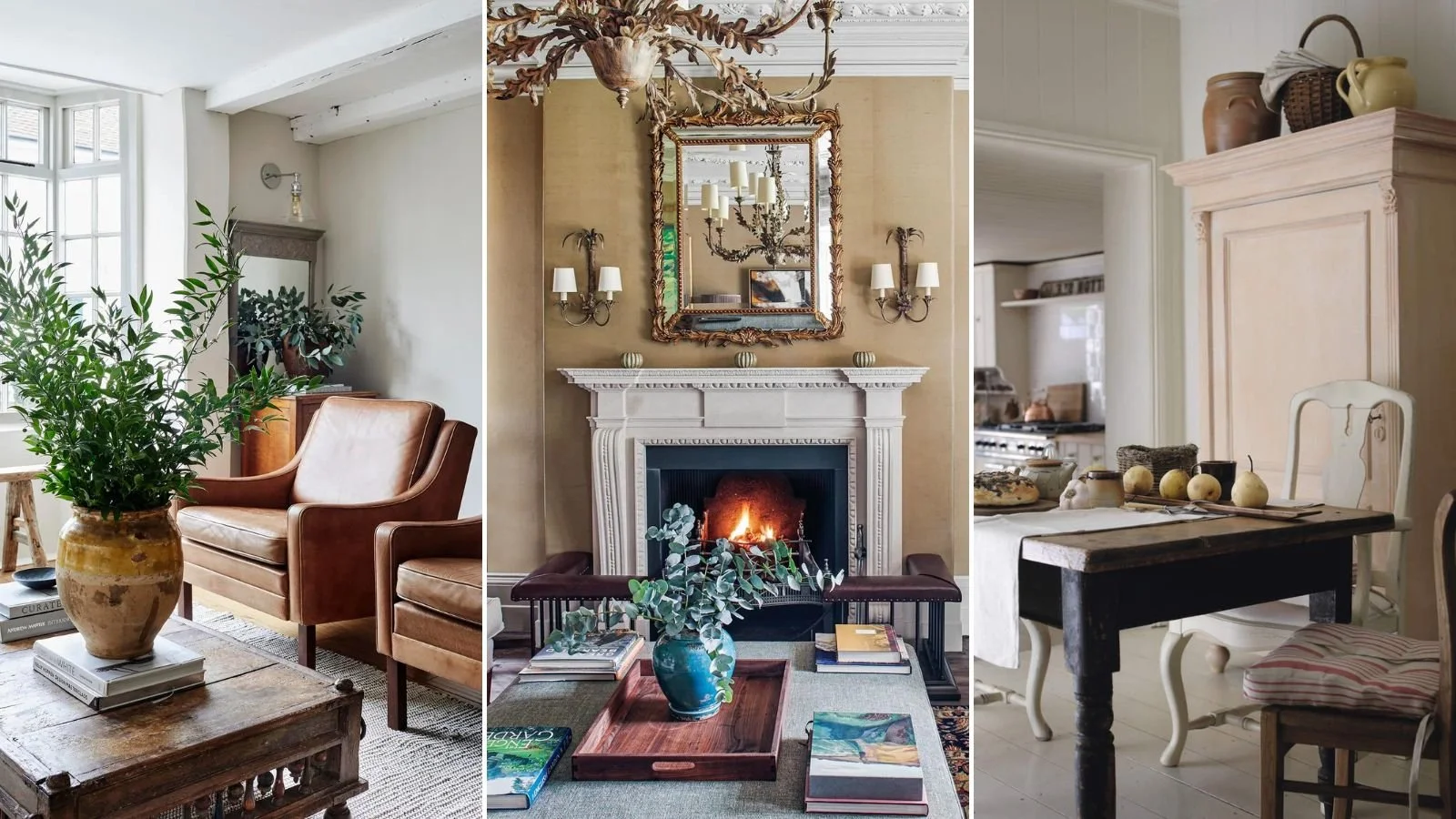
Gilt mirrors look most contemporary when placed against things that aren't trying to coordinate with them. The gilt frame is already saying "I am old and fancy." The surrounding furniture should say "I am indifferent to your fancy."
This means:
Plain plaster walls, not patterned wallpaper
Simple wooden furniture, not mahogany reproductions
Natural textiles—linen, cotton, wool—not velvet and brocade
Modern lighting, not crystal chandeliers
The tension between ornate and plain is what makes it work. My Victorian mirror lives above a 1970s teak sideboard. The wood is warm, simple, entirely unbothered by the mirror's exuberance. They have a conversation rather than an argument.
Rule Three: Embrace the Wear
Perfectly restored gilt looks... perfect. And perfect is suspicious. The mirrors that work best in modern interiors have some patina—slight tarnishing on the gold, maybe a small chip in the frame, definitely that lovely foxing on the glass where the silver backing has aged.
This isn't damage. This is character. A mirror that's too pristine looks like you bought it from a reproduction catalogue. One that's lived a bit looks like you found it, which suggests you have interesting habits and possibly a fascinating aunt.
If you find a mirror you love but the glass is too far gone, you can have it resilvered. But consider living with the foxing first. It softens reflections, makes everyone look slightly better, and gives the room a quality of light you can't replicate with new glass.
Where to Hang Them (And Where to Avoid)
The fireplace: Classic for a reason. The overmantel mirror reflects light from the fire, doubles the visual impact of the mantelpiece, and creates a natural focal point. If you don't have a fireplace, a console table with a lamp achieves a similar effect.
The hallway: Excellent for checking your appearance before leaving the house, obviously, but also for bouncing light into typically dark spaces. A large gilt mirror at the end of a narrow corridor makes it feel wider and more intentional.
The bedroom: Tricky. A gilt mirror can work beautifully above a dressing table or chest of drawers, but avoid anything too ornate directly opposite the bed. You don't want to wake up to rococo cherubs first thing. Unless you do, in which case, carry on.
The bathroom: Surprisingly effective. Victorian and Edwardian gilt mirrors often have the right proportions for above-basin placement, and the contrast with modern sanitaryware is pleasing. Just ensure the room is well-ventilated—gilt doesn't love constant humidity.
The kitchen: Controversial, but I'm a fan. A small ornate mirror propped on a shelf or hung above a dresser adds warmth to utilitarian spaces. It says "this room is for living in, not just cooking."
Avoid: Directly opposite other mirrors (infinite reflection chaos), above televisions (the gilt deserves better), and anywhere the frame will compete with busy wallpaper or patterned curtains. Let it breathe.
The Confidence Factor
Here's the real secret to making grandmacore work: you have to commit. Hesitant styling looks like a mistake. Confident styling looks like a choice.
When I first hung that Victorian mirror, I kept adjusting it, wondering if it was too much, too fussy, too grandmotherly. Then I stopped fiddling and made a cup of tea. When I came back, it looked right. It looked like it had always been there. The room felt more itself, not less.
That's what good vintage pieces do. They don't just fill space; they settle space. They bring the weight of previous lives into your present, and somehow that makes everything feel more grounded.
The gilt mirror trend will probably peak and fade, as trends do. But the mirrors themselves will remain, as they have for a century or more. They're not fashionable objects; they're permanent ones, waiting for the right moment to shine again.
If your grandmother had one, if you remember catching your reflection in it as a child, if you can still recall the particular quality of light it threw across the room—trust that memory. There's a reason these things endure. They're not just decorative. They're witnesses. And every room needs a witness or two.