Car Boot Confidential: A 6am Survival Guide for Vintage Hunters
The alarm goes off at 5:15. It's a Saturday in April, still properly dark outside, and I'm questioning every life choice that led me to this moment. The kettle takes an age to boil. I burn my tongue on tea that's too hot because I haven't got time to let it cool. By 5:45 I'm in the car, thermos rolling around the passenger footwell, hoping I remembered to bring the torch.
This is car boot season. And if you want the good stuff, you need to be there when the sellers are still unpacking.
There's a particular psychology to the car boot sale. It's part marketplace, part social ritual, part endurance test. Done right, it's the most democratic hunting ground in the vintage world—no curated stalls, no Instagram styling, just people trying to clear their garages and dealers trying to spot treasure before anyone else. Done wrong, it's three hours of rummaging through broken electricals and baby clothes, ending with a bacon roll and mild sunstroke.
Here's how to do it right.
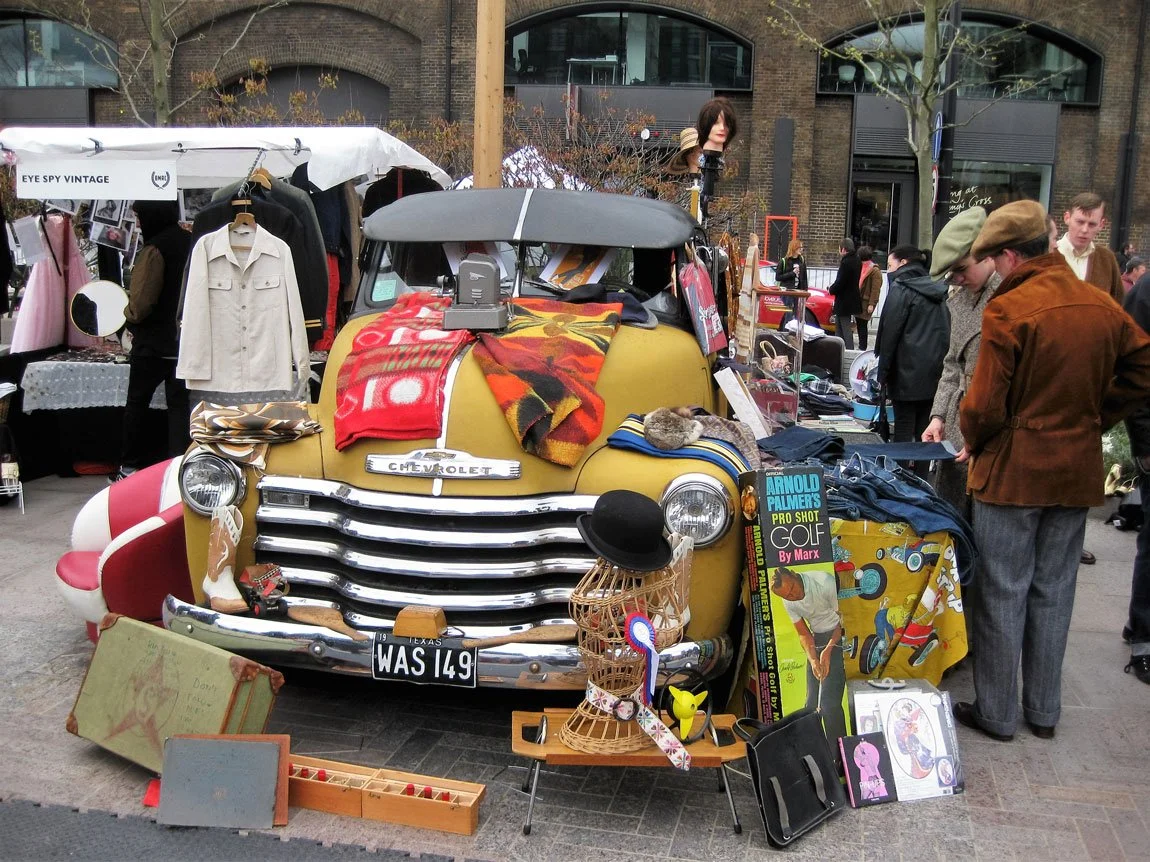
The Early Bird Reality
They say the early bird catches the worm. At car boots, the early bird catches the Danish teak sideboard that someone's just unloaded from a van, still wrapped in blankets from a house clearance. The late bird catches a chipped mug and a DVD of The Holiday.
The timing hierarchy:
• 6:00-6:30am: Dealers, serious hunters, the committed. Flashlights in hand, cash ready, moving fast. This is when the best furniture appears.
• 6:30-7:30am: The sweet spot for regular buyers. Good light, most stalls set up, but the prime stuff hasn't vanished yet.
• 7:30-9:00am: Casual hunters arrive. Prices start firming up as sellers realise what they've got.
• 9:00am onwards: The dregs. Unless you're after something very specific, or you enjoy the social aspect, go home.
I know 6am sounds brutal. But consider this: by 8am, the serious dealers have done their rounds, bought their stock, and are probably having a proper breakfast somewhere while you're still circling the car park looking for a space.
What to Bring (Beyond Coffee)
The kit list that lives in my boot from April to October:
• A head torch. Not a phone torch—your hands need to be free. Sellers often set up in near-darkness, and you need to inspect furniture properly. Plus, rummaging through boxes with one hand while holding a phone with the other is a recipe for dropping something valuable.
• Cash, in small denominations. £200-300 if you're serious, broken down into fives and tens. Sellers rarely have change for twenties at 6:15am, and you don't want to lose a £15 G-Plan chair because you only had a fifty.
• A tape measure. The number of times I've bought something that didn't fit through a door, or in my car, or in my life generally... measure first. Write down your key dimensions: doorway widths, car boot capacity, that awkward corner in the living room.
• Blankets and straps. For protecting and securing furniture. Old towels work too. The number of car boot sellers who'll help you load but have nothing to protect the goods is remarkable.
• Baby wipes and hand sanitiser. You will touch things. Many things. Some of them will be sticky.
• A foldable trolley. Not the massive shopping trolley—something discreet that fits in your boot. Useful for carrying purchases back to the car without making multiple trips.
• Waterproofs. British car boot season is optimistic at best. A light rain jacket lives in my kit year-round.
The Approach: How to Hunt
Car boots aren't like shops. There's no logical arrangement, no helpful staff, no returns policy. You need a system or you'll wander in circles until the bacon van starts calling your name.
The first sweep: Walk the entire field once, quickly. Don't stop, don't dig, just scan. You're looking for furniture shapes, wood tones, quality materials. Mental notes: "third row, blue van, possible teak chest." "Back corner, white estate car, boxes of ceramics." This takes 15 minutes and gives you the lay of the land.
The second sweep: Now you investigate. Start with your mental shortlist, but stay open. The best finds are often misidentified—mid-century pieces listed as "old brown cupboard," Victorian chairs as "granny's dining set."
The negotiation window: Early morning, sellers haven't got their eye in yet. They might not know what they've got, or they might be keen for the first sale of the day (superstition runs deep in car boot culture). But don't take the mickey. A £5 offer on a £20 asking price is reasonable. A £5 offer on something clearly valuable makes you look like a chancer, and word spreads.
Reading the Seller
This is where car boot hunting becomes art. You're making snap judgments based on minimal information, and getting it wrong means either overpaying or walking away from treasure.
The house clearance seller: Often older, slightly bewildered, selling contents of a relative's home. They don't know what things are worth, but they have emotional attachment. Be respectful. Ask about the piece's history if they seem willing. These sellers often have the best stuff at the fairest prices, but they won't be bargained down aggressively.
The regular dealer: Knows exactly what they've got. Prices are firm, often high. But they might have bought a job lot and haven't sorted through it yet. Early morning is your chance—before they've researched and priced everything individually.
The "just clearing the garage" seller: Dangerous and brilliant in equal measure. Might have inherited quality furniture and genuinely thinks it's old junk. Might have actual old junk. The key is spotting the difference between ignorance and modesty.
The professional car booter: Does this every week, knows the value of everything, will not be negotiated down. Useful for learning prices, but rarely a source of bargains.

What to Actually Look For
The obvious targets:
• Mid-century teak, rosewood, afromosia—Danish or British
• Victorian mahogany, walnut, oak—especially small pieces
• 1970s pine (currently undervalued, increasingly popular)
• Rattan, wicker, bamboo—anything woven and slightly falling apart
• Vintage ceramics—Poole, Hornsea, Midwinter, Denby
• Brass, copper, bronze—especially lighting and mirrors
• Old tools, workshop furniture, industrial pieces
The less obvious targets:
• Planters and plant stands: Currently trending, often overlooked
• Magazine racks and newspaper holders: Useful, sculptural, cheap
• Bedside cabinets sold singly: People want pairs, so singles are discounted
• Office furniture: 1960s desks, filing cabinets, typist chairs
• Garden furniture: Often sold cheap at season's end, restorable over winter
The things I always walk past:
• Anything electrical unless it's clearly vintage and I can test it
• Upholstered furniture unless the frame is exceptional (flea risk, storage hassle)
• Anything described as "shabby chic" that's been deliberately distressed
• Picture frames without pictures (unless the frame itself is quality)
• "Vintage style" anything—if it says vintage on the label, it isn't
The Psychology of the Car Boot
There's a strange intimacy to rummaging through someone's possessions at dawn. You're seeing the ephemera of lives—holiday souvenirs, abandoned hobbies, inherited objects nobody wanted. It can be melancholy. It can be funny. I once bought a box of 1970s dinner party menus, complete with wine lists and seating plans, from a woman who said her mother was "far too sociable for her own good."
Respect the context. These aren't shopkeepers; they're people having a clear-out, often for sad reasons. Don't haggle hard over £2. Don't make people feel foolish for not knowing what they've got. The car boot community is small, and reputation matters. Be the buyer people are pleased to see, not the one they warn each other about.
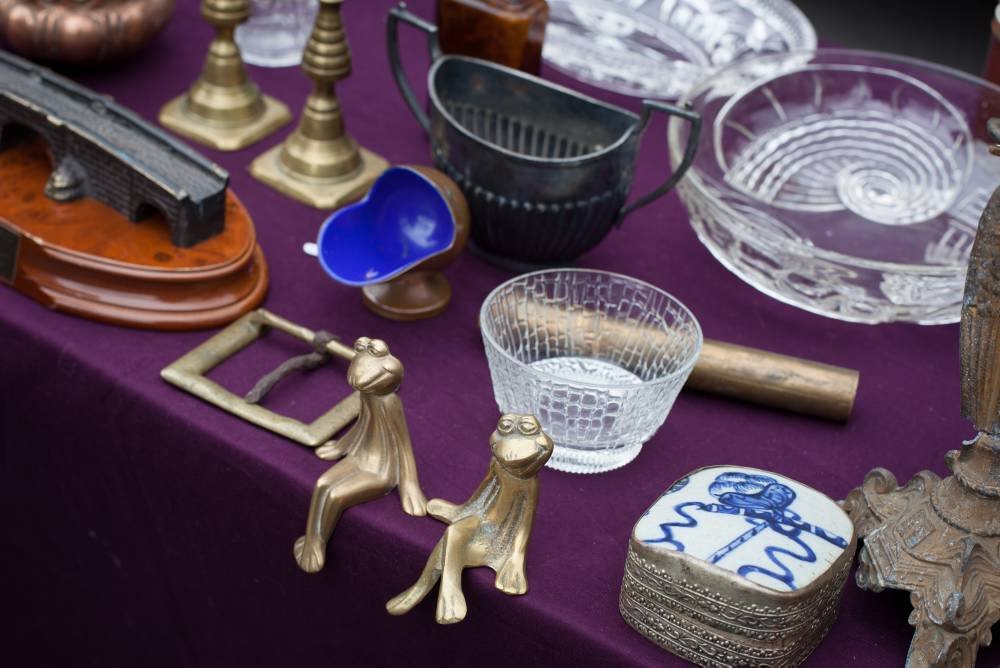
The Bacon Roll Threshold
Around 8:30, something shifts. The serious hunters have gone, the casual browsers arrive with pushchairs and dogs, and the field gets crowded. This is when I assess: have I found enough to justify staying? Or is it time for the bacon roll and the journey home?
There's no shame in leaving early with one perfect thing. There's also no shame in staying until the bitter end, when desperate sellers start offering "everything on the table for a fiver." Know your own stamina and your own standards.
The Journey Home
By 9am, I'm usually back in the car, possibly with a chair wedged in the back seat, definitely with dirty hands and a sense of accomplishment. The best finds get photographed in situ, still dusty, before cleaning. The mediocre finds get listed for resale or donated back to the charity shop cycle. The mistakes—there are always mistakes—get noted mentally for next time.
Then it's home for a proper breakfast, a thorough clean of whatever I've bought, and the satisfaction of knowing that while most people were still asleep, I was out there, torch in hand, finding treasure.
The car boot sale isn't elegant. It's not curated or convenient. But it's where vintage hunting feels most like hunting—unpredictable, competitive, occasionally glorious. And when you find that £10 G-Plan sideboard in the back of a Volvo estate at 6:20am, still warm from someone's attic, there's nothing else like it.
Just remember the waterproofs. And maybe a second thermos.
Found something brilliant at a boot fair recently? We'd love to see it—tag us in your dawn raid victories. And if 6am starts aren't your thing, our latest arrivals are all curated, cleaned, and ready for civilised daytime browsing.
Next up: Estate Sale Etiquette: Getting Invited Back After You've Bought the Best Stuff