Estate Sale Etiquette: Getting Invited Back After You've Bought the Best Stuff
The first time I was asked to leave an estate sale, I genuinely didn't understand what I'd done wrong. I'd arrived early—too early, apparently. I'd offered cash for a dining table before the official opening time.
I'd mentioned, casually, that the table was worth rather more than they were asking. All of this seemed helpful to me. The estate agent, a woman in a navy suit who looked like she could freeze petrol, disagreed. She suggested I "reassess my approach" while standing on the pavement outside.
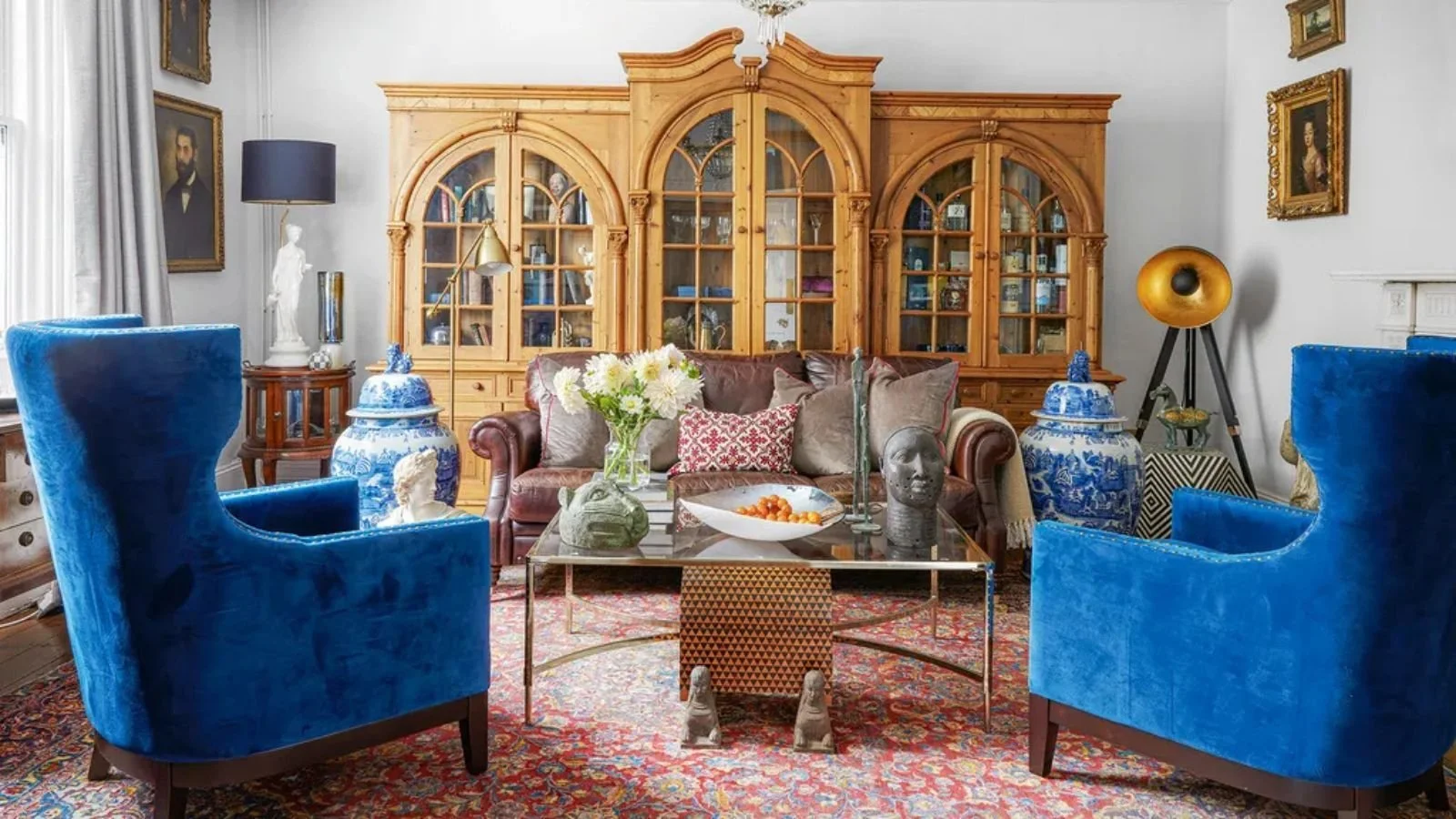
That was 2019. I've been to perhaps fifty estate sales since. I've learned that estate sale hunting is a different sport entirely from charity shops or car boots. It's slower, more formal, and requires a level of tact that doesn't come naturally to most of us who get excited about old furniture. But it's also where the serious pieces live. The things people lived with for decades, then died with, then left for strangers to sort through.
Do it right, and you build relationships that yield extraordinary pieces. Do it wrong, and you join the ranks of the permanently uninvited.
Understanding What You're Walking Into
An estate sale—sometimes called a house clearance, probate sale, or simply "contents of deceased"—happens when someone dies, downsizes dramatically, or moves into care. The house contains a lifetime of accumulation. The family, or executors, need to empty it quickly and fairly. An estate agent, auctioneer, or specialist house clearance company manages the process.
This is not a jumble sale. It's someone's history being dispersed. The walnut wardrobe might be worth £2,000. It might also be where someone's mother kept her wedding dress for sixty years. The emotional weight is real, even when the prices are commercial.
In 2026, with property markets still unpredictable and more families choosing to sell houses furnished rather than empty them, estate sales are increasingly common. They're also increasingly professionalised. The days of naive relatives selling G-Plan sideboards for £20 are fading. But opportunities remain for those who know how to behave.
The Invitation System
Unlike car boots or charity shops, estate sales aren't always public. Many happen by invitation only—estate agents maintain lists of serious buyers, collectors, and dealers who get first look before anything goes to auction or general sale.
Getting on these lists requires reputation. You can't just email and ask. You need to be seen, remembered, recommended.
The entry points:
• Auction houses: Register as a buyer, attend regularly, pay promptly. Auctioneers know who's serious.
• Estate agents: The residential kind, not just commercial. They handle probate sales and remember helpful buyers.
• House clearance companies: Often need to move stock quickly. Building relationships here means first refusal on good pieces.
• Other dealers: The vintage world is smaller than you'd think. A good word from an established dealer opens doors.
I got my first proper invitation through a car boot acquaintance—a woman who sold vintage textiles and mentioned she knew an agent clearing a house in Hampstead. "Don't be weird," she said. "And for God's sake, don't mention money until they do."
The Arrival: Timing and Presentation
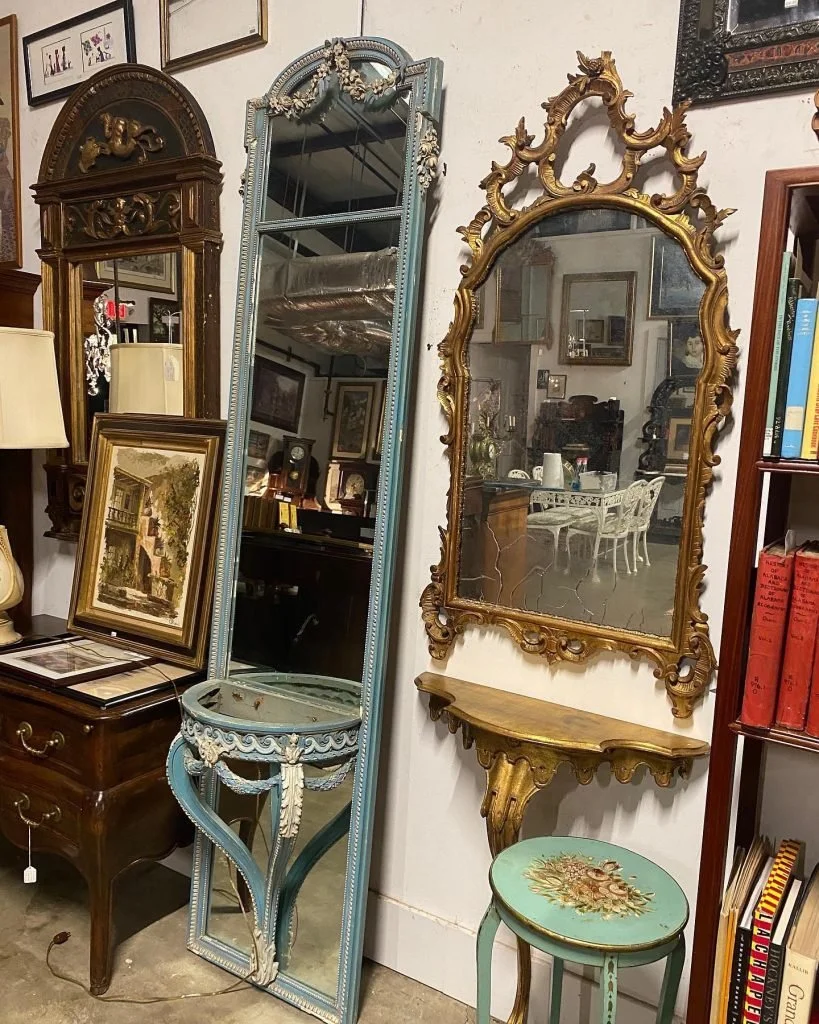
Estate sales typically run to a schedule. There might be a "viewing day" before the sale, or specific hours for different categories of buyer. Respect this absolutely. Arriving early and hovering outside makes you look desperate. Arriving late means missing the best pieces.
Dress code: Neat, practical, respectful. Not too casual—no muddy boots from the garden centre. Not too smart—you're there to move furniture, not attend a wedding. I aim for "concerned nephew": clean jeans, proper shoes, a jacket that suggests I have a job but not a high opinion of myself.
What to bring: Cash, obviously, but also proof of address and ID. Some sales require registration. A notebook for measurements. Your phone, but use it discreetly—photographing everything like a tourist is intrusive. Business cards, if you have them, though offer them only if asked.
The First Conversation
This is where most people go wrong. You walk in, see a 1960s Danish cabinet, and your heart rate increases. You want to know the price, examine the joints, check for maker's marks. All of this is reasonable. But first, you must acknowledge the context.
Introduce yourself to whoever's managing the sale. Express condolences if appropriate—"I'm sorry for your loss" takes two seconds and changes the atmosphere. Ask about the house, the family, how long they've lived there. Not interrogatively. Just... human conversation.
I once spent twenty minutes discussing a deceased woman's garden with her daughter before even looking at the furniture. We talked about roses, about how her mother had tended them into her eighties, about the difficulty of leaving a house full of memories. Eventually, the daughter said, "You should see the sideboard in the dining room. Mum bought it in Denmark in 1968." I bought it for a fair price—less than market, but not insultingly so—and she was pleased it was going to someone who'd appreciate the story.
That's the difference. The furniture matters, but the transaction is emotional. Acknowledge this, and you're remembered. Ignore it, and you're just another vulture.
The Examination: How to Look Without Offending
Once you've established rapport, you can assess the pieces. But do this thoughtfully.
Do:
• Ask permission before opening drawers or moving furniture
• Use your torch to check interiors, not your phone's harsh light
• Note construction details quietly—don't announce findings to the room
• Handle pieces carefully, as if they were your own grandmother's
• Ask about provenance if the family seems willing to talk
Don't:
• Pull out your phone to check sold prices on eBay
• Criticise condition loudly ("This veneer is lifting badly")
• Dismiss pieces as "just 1970s stuff" or "fashionable now but won't last"
• Start negotiating before you've finished looking
• Crowd other buyers or hover while they examine something
The goal is to appear knowledgeable but not predatory. Interested but not desperate. You want the seller to think: "They'll look after it."
The Negotiation: Money Talks, But Quietly
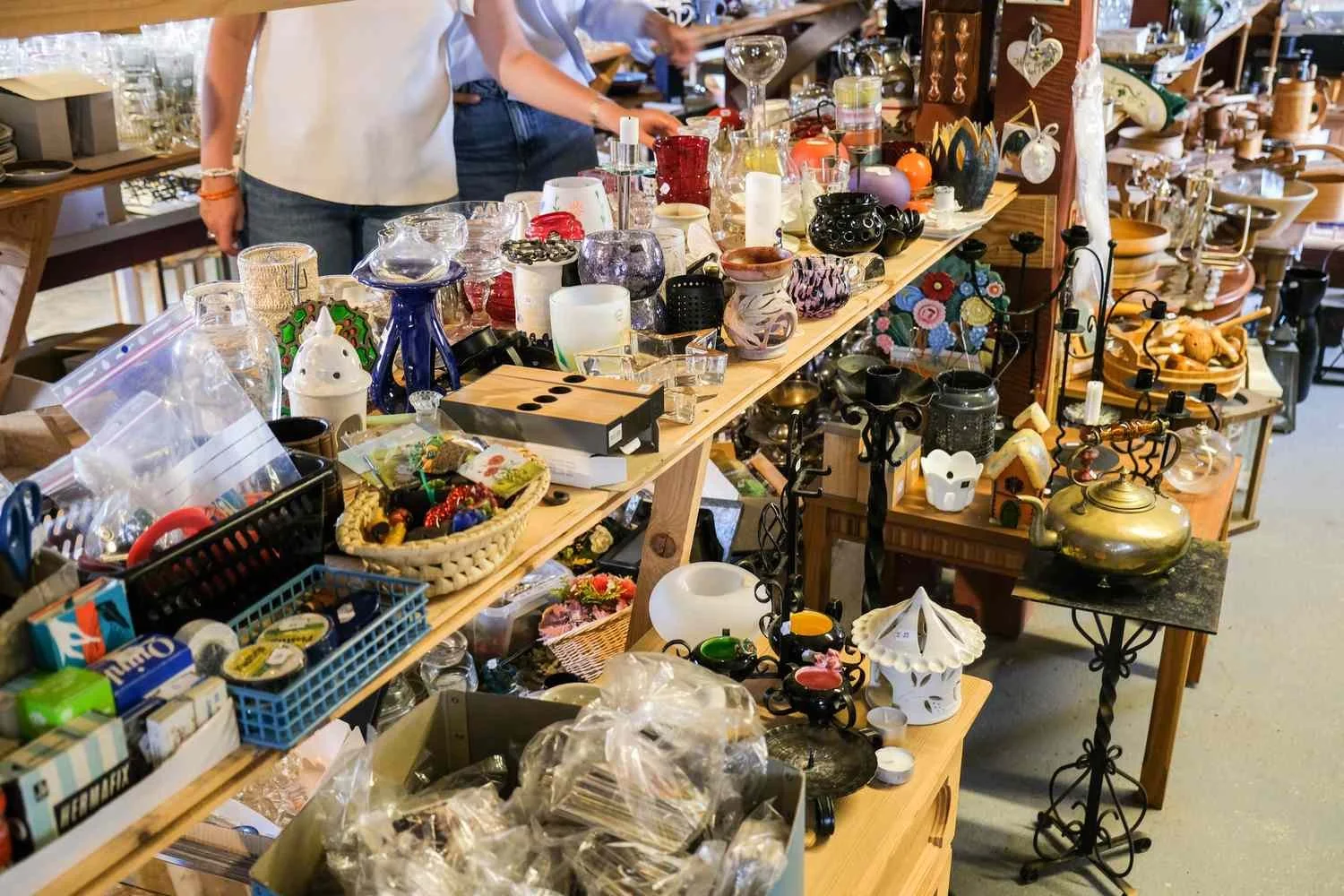
Pricing at estate sales varies enormously. Some are professionally valued with firm prices. Others are "make an offer" affairs where the family has no idea. Some start high on day one, then reduce over the weekend.
If prices are marked:
Don't haggle immediately. If something's been sitting unsold, you might politely ask on day two or three if they'd consider offers. But don't open with "Will you take less?" on a freshly listed piece. It marks you as cheap, not serious.
If it's "offers invited":
This is delicate. Too low, and you insult. Too high, and you overpay. I usually start by asking if they have a figure in mind. Often they don't. Then I explain what I can see—condition, maker if known, market context—and make an offer based on that. "I can see it's good quality teak, probably 1970s, though the handles aren't original. Given the wear on the top surface, I'd offer £180."
This shows you've actually looked, not just guessed. It gives them something to respond to. Sometimes they accept. Sometimes they counter. Sometimes they say they'll think about it and call you later. All of these are acceptable outcomes.
The multiple purchase discount:
If you're buying several pieces, it's reasonable to ask for a reduction on the total. But frame it as convenience for them—"Would it help if I took the cabinet and the two chairs together? I could offer £400 for the lot." Not as pressure.
The Things You Don't Do
I've seen buyers ruin their reputations in minutes. These are the unforgivables:
Don't cherry-pick handles, feet, or fittings. I watched a dealer remove original brass handles from a 1960s sideboard, offering to buy "just the hardware" and leave the carcass. The estate agent asked him to leave and banned him from future sales. Rightly so.
Don't disparage the deceased's taste. However misguided you think the 1980s bathroom suite was, keep it to yourself. Someone loved this house. Someone arranged these ornaments. Show respect.
Don't hover while the family is clearing personal items. If drawers are being emptied of photographs and letters, withdraw. Come back later. Your interest in the furniture doesn't trump their grief.
Don't reappear constantly hoping for further reductions. If you've been to a sale three times and bought nothing, waiting for prices to drop, you're not a serious buyer. You're a time-waster.
Don't bring "expert friends" to validate your opinions. It looks like you're trying to intimidate. If you need a second opinion, take photographs (with permission) and consult later.
After the Purchase: The Long Game
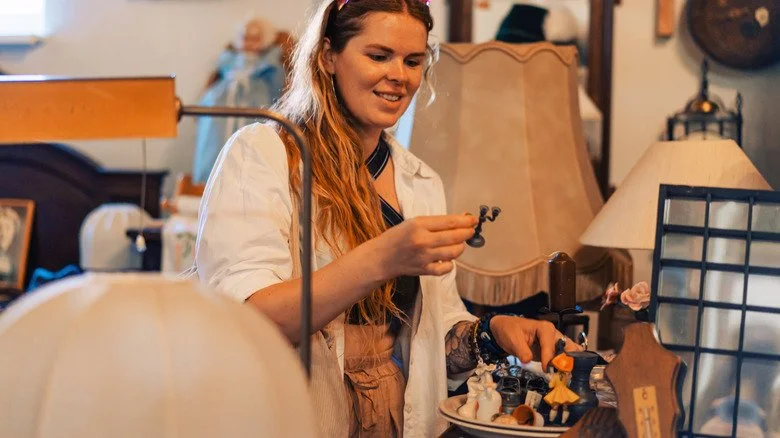
You've bought the cabinet. It's loaded in your van. Now what?
Pay promptly and properly. Cash is often preferred, but get a receipt. If they need bank transfer, do it immediately, not "when I get home."
Follow up. A brief email or note saying the piece is settled and appreciated goes surprisingly far. I sent a photograph of that Hampstead sideboard in my living room to the daughter who'd sold it. She wrote back saying it looked happier with books on it. We've since been invited to two private sales.
Be reliable. If you say you'll collect on Thursday, collect on Thursday. If you need to reschedule, communicate. Estate sales are time-sensitive for sellers. Don't add stress.
Recommend carefully. If a sale isn't for you but you know another dealer who'd be interested, ask permission before passing details. "I have a colleague who specialises in Art Deco—would you like me to mention this sale to them?" Never just broadcast addresses.
The 2026 Landscape
Estate sales have changed since I started attending. Online catalogues are more common—many agents now photograph key pieces and email lists before the physical sale. This is helpful for research, but I still attend in person. Photographs hide condition. They certainly hide atmosphere.
There's also more competition. The vintage market has educated buyers. That Danish cabinet will have three people after it, not just you. This makes etiquette even more important. When supply is tight, reputation becomes currency. The buyer who behaves well gets the call when the next house comes up. The pushy one gets blocked.
Sustainability concerns have entered the conversation too. Families increasingly want to know their parents' furniture will be used, not landfilled. If you can articulate this—"I buy to use, not to store"—it helps. The environmental argument for vintage has become mainstream. Use it thoughtfully.
Looking for pieces with provenance? Our collection includes furniture from notable estates, each with documented history and the kind of condition that only comes from careful ownership. No auctions, no early mornings—just exceptional vintage, ready for its next home.